Introduction
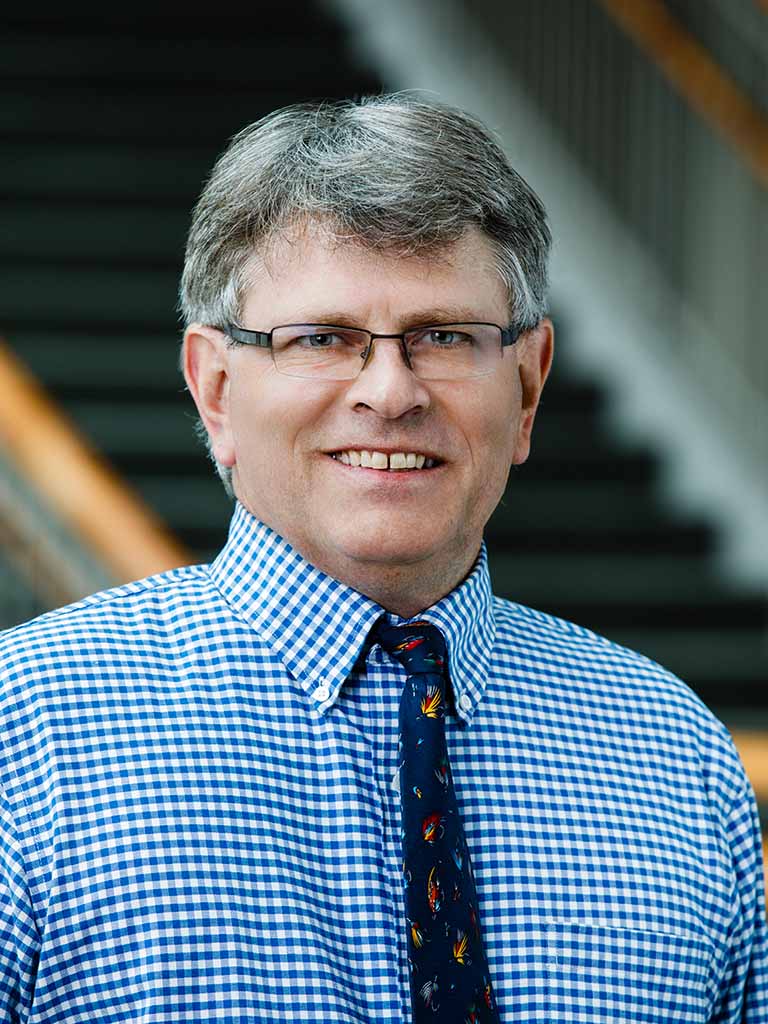
Virgil Wiebe grew up in western Kansas and attended Kansas State University, where he received an Honors B.A. in geography and political science. As a Rhodes Scholar, he received an M.Phil. in Latin American studies from Oxford University with concentrations in geography and economics. Following time working with refugees in south Texas, he attended law school at New York University, where he was a Root-Tilden-Snow Public Interest Scholar, an International Law Fellow, and an editor of the NYU Journal of International Law and Politics.
After law school, Wiebe clerked for the Honorable James C. Francis, IV, federal magistrate judge in the Southern District of New York. He then served for four years as Director of Immigration Services and Supervising Attorney for Interfaith Community Services in New York City, a non-profit organization assisting refugees and immigrants. While at ICS, Wiebe represented hundreds of immigrants before the U.S. Immigration and Naturalization Service and in immigration court. There he also led efforts to create community-based immigration clinics in Manhattan, Queens, Brooklyn and Staten Island.
In 1999, Wiebe joined the Center for Applied Legal Studies at Georgetown University Law Center as an Advocacy Fellow. There he taught in the immigration clinic. In 2001, Wiebe was appointed visiting assistant professor at the University of Maryland School of Law, where he established an in-house immigration clinic and taught criminal law.
Wiebe has been an active participant in the efforts to curb the use of landmines and cluster bombs in armed conflicts. As a consultant to the Mennonite Central Committee, he has attended United Nations conferences on landmines and conventional weapons, and has addressed diplomats on international humanitarian law matters. He has also advised non-profit organizations on establishing immigration programs for low income communities. He is active in his local congregation and various professional organizations, serves pro bono clients, and frequently presents at continuing legal education (CLE) seminars.
Professor Wiebe was one of the principal architects of the University's unique Interprofessional Center for Counseling and Legal Services. At the Center, students from the schools of Law, Graduate Professional Psychology, and Social Work provide counseling and legal services to diverse and under-served populations.